
Luciano Floridi
Founding Director, Digital Ethics Center, Yale University
Luciano Floridi is Professor in the Practice of Cognitive Science and founding director of Yale's Digital Ethics Center. Widely regarded as one of the leading philosophers of our time, he founded the philosophy of information as a field and is a foremost authority on digital and AI ethics. He previously held the OII Professorship in Philosophy and Ethics of Information at the University of Oxford, has authored over 300 publications including The Ethics of Artificial Intelligence (2023), and was awarded Italy's Knight of the Grand Cross of the Order of Merit in 2022.
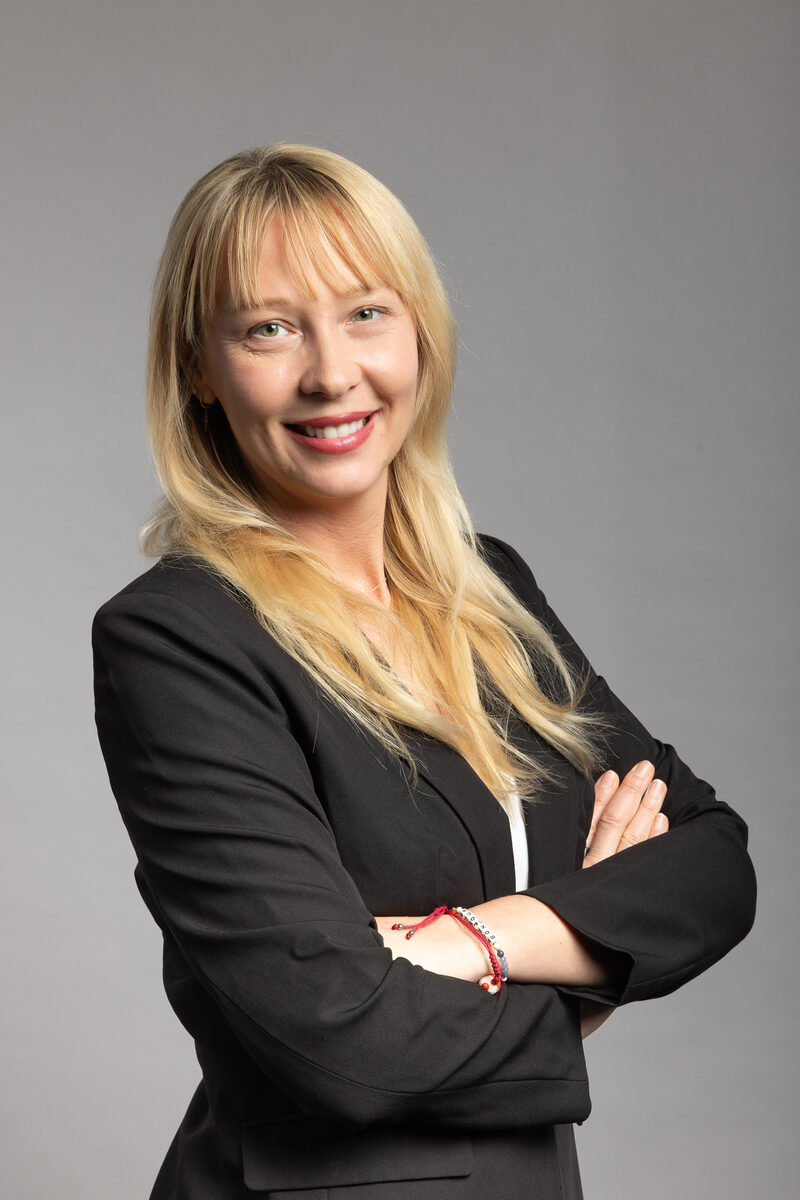
Aleksandra Przegalińska
Professor & Vice-Rector for Innovation and AI, Kozminski University
Aleksandra Przegalińska is Professor and Vice-Rector for Innovation and AI at Kozminski University and a Fellow at Harvard Law School's Center for Labor and a Just Economy. Her research explores artificial intelligence and human-AI collaboration, and how emerging technologies are reshaping organizations, work, and decision-making. She serves on Poland's Council of the Future advising the Prime Minister, co-founded the EUonAIR European University Alliance, and has authored several books on AI and digital society.

Michelle Miller
Director of Innovation, Center for Labor and a Just Economy, Harvard Law School
Michelle Miller is Director of Innovation for the Center for Labor and a Just Economy at Harvard Law School, where she researches the impact of artificial intelligence on working women. She joined the Center after a decade as co-founder and co-director of Coworker, supporting worker-led organizing at companies including Starbucks, Google, and REI. Her work highlights the imaginative capacity, joy, and humanity that working-class people bring to their jobs and communities.

Muhammad Ashfaq
Academic Director, IU International University of Applied Sciences, Germany
Muhammad Ashfaq is Academic Director at IU International University of Applied Sciences in Germany, researching AI, FinTech, sustainability, Islamic finance, and digital asset management. His talk, "AI-Enabled Financial Inclusion: Promise versus Reality in Emerging Markets," examines how AI-driven financial technologies are reshaping access to finance across developing economies.
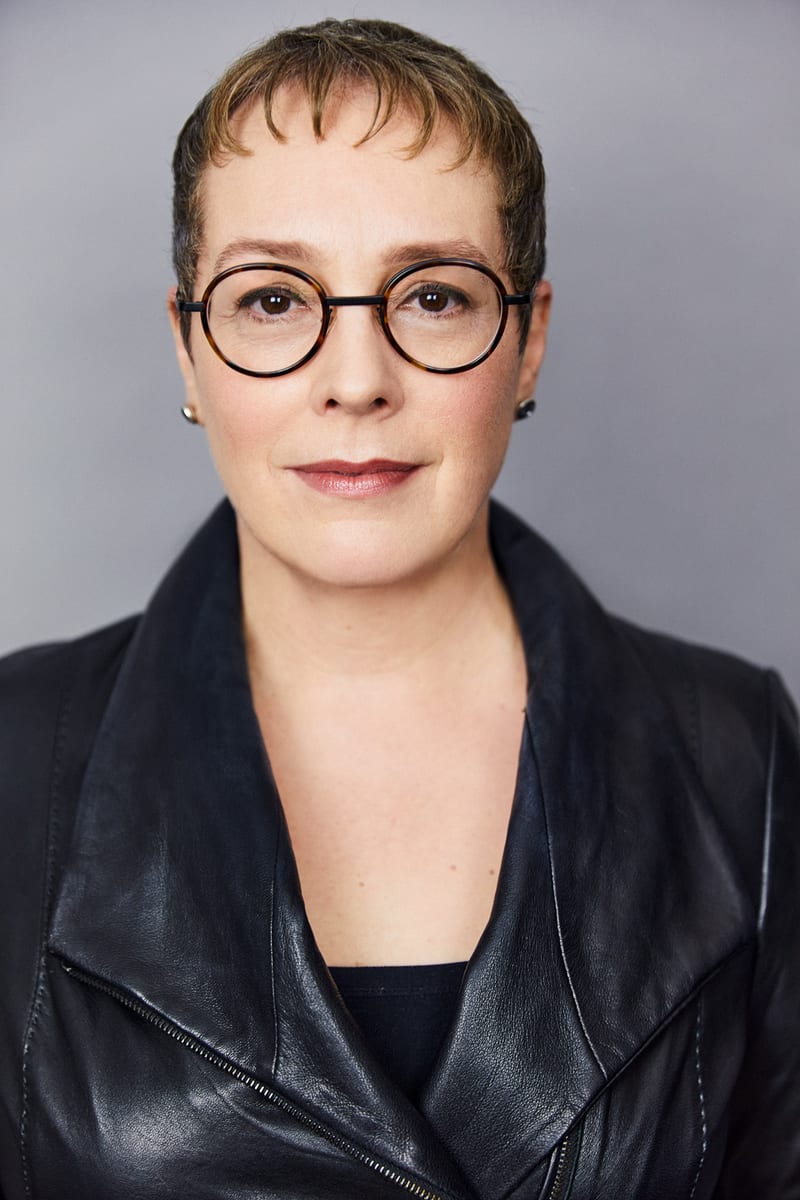
Julia Angwin
Proof News, The Markup, & Shorenstein Center at Harvard JFK School
Julia Angwin is an award-winning investigative journalist, a bestselling author, a New York Times contributing Opinion writer and founding director of the Independent Media + Audience Project at Harvard Kennedy School’s Shorenstein Center on Media, Politics and Public Policy. She is the founder of two nonprofit newsrooms – Proof News and The Markup – that investigate the impacts of technology. She is a winner and two time finalist for the Pulitzer Prize in Explanatory Reporting. She is the author of the New York Times bestselling books “On Courage: How to Be a Dissident in an Age of Fear,” (Mariner Books, 2026) with co-author Ami Fields-Meyer, and “Dragnet Nation: A Quest for Privacy, Security and Freedom in a World of Relentless Surveillance” (Times Books, 2014), as well as “Stealing MySpace: The Battle to Control the Most Popular Website in America” (Random House, March 2009).
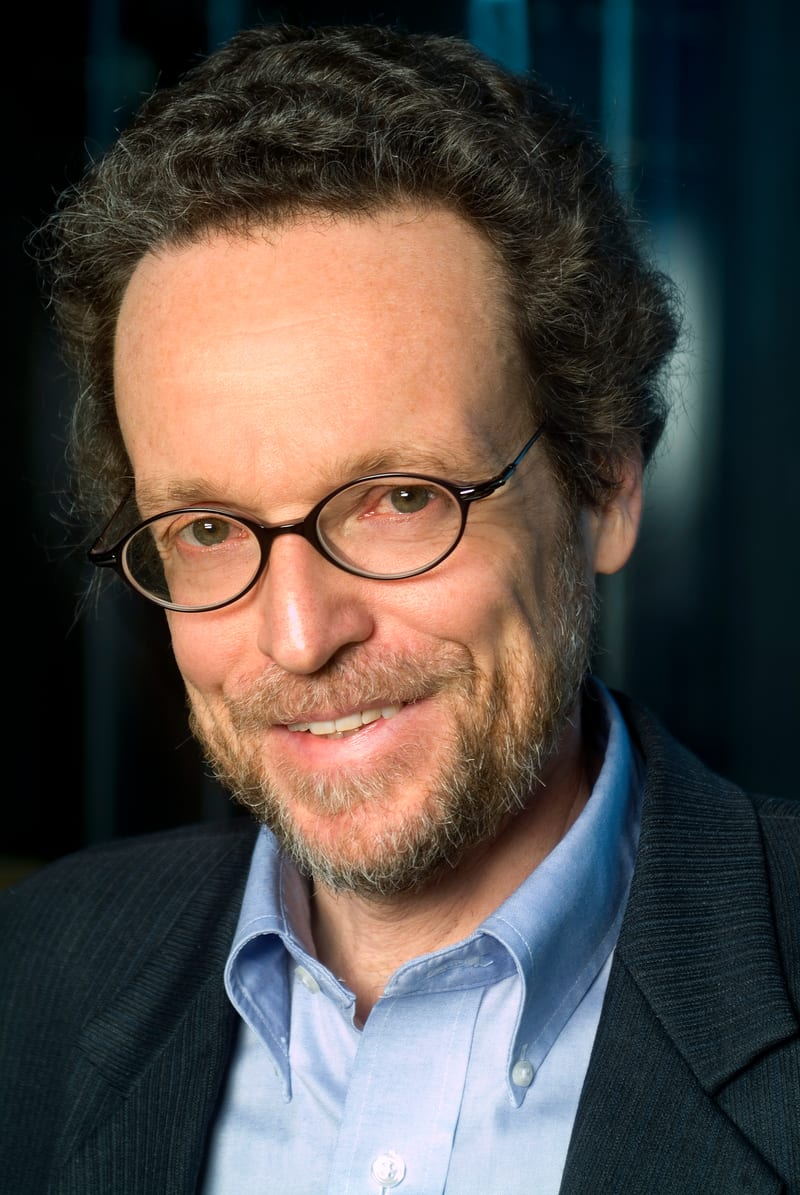
Thomas Pogge
Yale University
Having received his PhD in philosophy from Harvard, Thomas Pogge is Leitner Professor of Philosophy and International Affairs and founding director of Yale's Global Justice Program. He is a member of the Norwegian Academy of Science as well as co-founder and president of Academics Stand Against Poverty (ASAP), an international network aiming to enhance the impact of scholars, teachers and students on global poverty.

Tan Gürpinar
Quinnipiac University
Dr. Gürpinar is a Director for Applied AI and Assistant Professor of Business Analytics & Information Systems at Quinnipiac University’s School of Business, with a focus on the impact of emerging technologies on organizations, people, and society. He also serves as a Faculty Fellow in Residence and Advisor to the Living Learning Experience Leadership Council at Quinnipiac University, where he mentors students and fosters leadership development within the campus community. As Fellow of the Yale Global Justice Program Dr. Gürpinar co-organizes the Yale Global Justice Conference and works on research projects related to emerging tech for justice.

Tamilla Triantoro
Associate Professor, School of Business, Quinnipiac University - Speaker, Panel Moderator
Tamilla Triantoro studies human–AI collaboration, digital embodiment, and the future of work. Her research examines how people and organizations interact with intelligent systems and how AI changes judgment, work, and decision-making. She is a Global Justice Fellow at Yale University, serves on the EUonAIR Advisory Board, and is co-author of Converging Minds: The Creative Potential of Collaborative AI.

Shannon Malkin Daniels
Communication Expert, TEDx Speaker, and Author - Conference Host and Moderator
Shannon Malkin Daniels is a communication expert, TEDx speaker, and author whose work focuses on effective communication, leadership, and building trust. She is Program Director for Leadership Fairfield County and founder of Drop The Mic Night, an initiative supporting emerging speakers and local nonprofits. She has taught at Columbia University and Iona University.
More speakers to be announced — check back soon.